
The keys
nuevo
Generated with AI
nuevo
Generated with AI
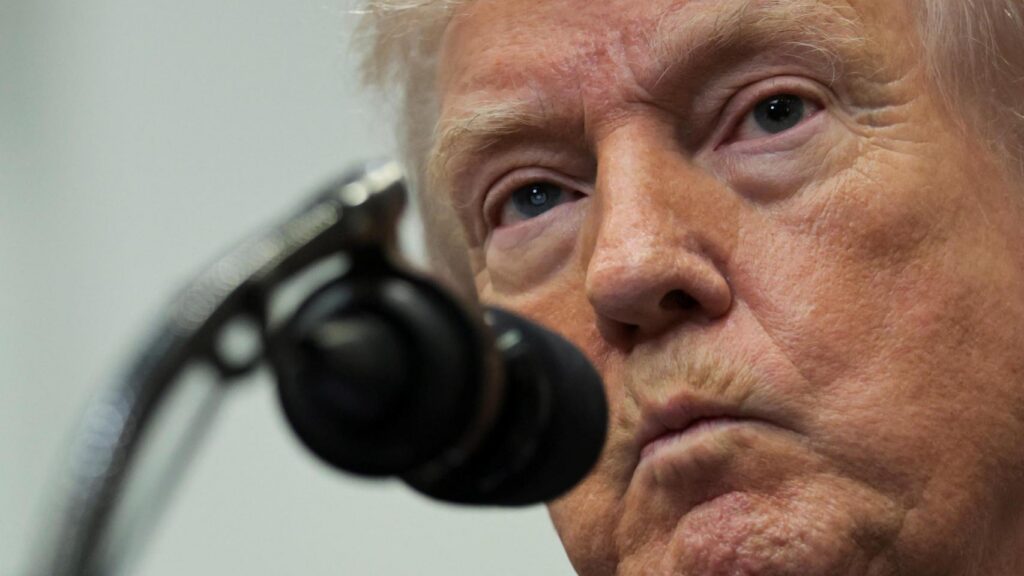
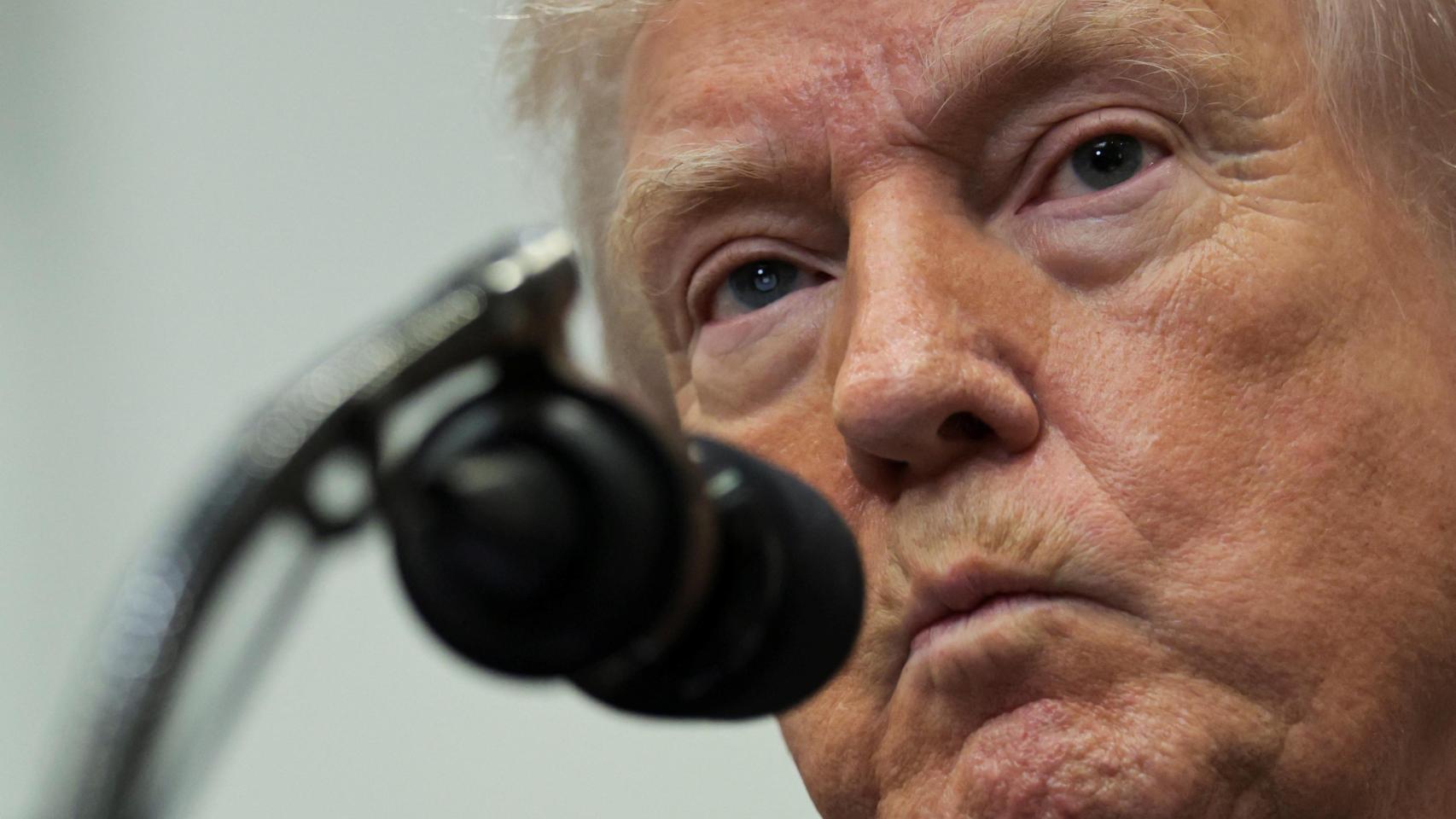
After starting the year by signing the US withdrawal from the UN convention on climate changethe Republican revoked this Thursday the lcalled danger opinion, approved by the Government of Barack Obama in 2009, which established that six Greenhouse gases emitted by combustion engines are harmful to health.
Trump defended this controversial decision, contrary to all scientific evidence, as “the largest deregulation action in American history” and assured that it will greatly reduce costs for vehicle manufacturers and consumers.
“This measure will save American consumers millions of dollars and will reduce the average cost of a new vehicle by almost $3,000. Think about it. During my campaign, I promised to eliminate 10 old regulations for every new regulation, and we have surpassed that,” Trump said at the event held at the White House, where he was accompanied by the administrator of the Environmental Protection Agency (EPA), Lee Zeldin.
Last March the EPA already announced that would review thirty regulations with respect to polluting gases, motivating the condemnation of different environmental organizations.
The opinion, approved during the first term of the Democratic president Barack Obama, established that six greenhouse gases present in the Earth’s atmosphere and emitted by car combustion engines, such as carbon dioxide or nitrous oxide, pose a health risk.
Since his return to power in January 2025, the Republican president has highlighted his intention to eliminate regulations for gasoline vehicles and limit federal subsidies for electric vehicles, in addition to condemning the use of renewable energy such as solar or wind, with his Government canceling several projects of this type in Democratic states.
Since his return to power, Trump has once again placed the Climate denialism at the center of its political agenda.
His Government has resumed many of the positions that already marked his first Administration, characterized by distrust of climate science and the prioritization of traditional energy interests. The official discourse insists that strict environmental policies harm the economic competitiveness of the United States and limit its industrial sovereignty.
One of the most controversial movements of this new stage has been the partial withdrawal of international emissions reduction commitmentsas well as the political and financial boycott of several global environmental cooperation initiatives.
During the last Climate Convention, The US delegation adopted a distant position, questioning the agreed objectives to contain global warming and defending the right of each country to decide its own pace of energy transition.
Domestically, the Trump Administration has promoted a series of measures that weaken environmental regulationsuch as the relaxation of limits on the exploitation of fossil fuels and the reduction of funds allocated to climate research
In parallel, has reinforced the discourse that presents climate change as a media exaggeration or a political instrument of the “globalist elite.” This approach has not only generated tensions with the scientific community, but also with several states and cities that maintain independent ecological policies.
News in update
We are working on expanding this information. Shortly, the editorial staff of EL ESPAÑOL will offer you an update on all the data on this news.
To receive the latest news on your mobile phone, you can download our newspaper application to iOS devices y Androidas well as subscribe to access all exclusive content, receive our Newsletters and enjoy the Ñ Zone, only for subscribers.
You may also like
-
Bangladesh holds its first elections since the 2024 student revolution marked by the rise of Islamists
-
Polar bears healthier than 25 years ago: surviving despite loss of sea ice.
-
is ahead of his aunt, the ‘Sweet’ Kim Yo-jong
-
reinforces its offensive against crime and will increase security in prisons
-
Zelensky honors the Ukrainian athlete banned from the Olympics for wearing a helmet with the faces of war victims